.jpg)
September 21, 2026


Gluten Free Pizza Base: What Makes a Great One, and Where to Find It in Melbourne
Enjoy delicious Italian pizza with gluten free pizza base options made for flavour, comfort, and easy dining.
Pizza is one of the world's most loved Italian dishes, yet for years it sat out of reach for anyone avoiding gluten. That has changed dramatically, and a well-made gluten-free pizza base can now deliver the crisp crust, soft centre, and rich toppings that make pizza so satisfying in the first place. The catch is that quality varies enormously, from excellent bases that rival traditional dough to dry, brittle discs that give gluten-free dining a bad name. Knowing what a good base is made from, and what separates the great from the disappointing, helps you order with confidence anywhere. At Piccolino Woodfired Pizza & Homemade Pasta in Fitzroy North, we have built our gluten-free offering around one simple standard: it has to be a pizza worth ordering on its own merits. This guide explains what goes into a gluten-free pizza base, how it compares to traditional dough, and what to try when you visit us.
What Is a Gluten Free Pizza Base?

A gluten-free pizza base is a pizza crust made without gluten-containing grains such as wheat, barley, or rye. Instead of traditional flour, the dough uses alternative ingredients that allow people with gluten intolerance or dietary preferences to enjoy pizza more comfortably. The popularity of gluten-free pizza has grown because it offers a practical option for diners seeking greater meal flexibility, especially those seeking a healthy pizza base that still delivers flavour and texture. A good gluten-free pizza base still aims to provide the crisp texture and soft centre commonly found in traditional Italian pizza.
What Is Gluten-Free Pizza Base Made From?
A gluten-free pizza base is commonly made with alternative flours such as rice flour, almond flour, tapioca starch, potato starch, or corn flour. These ingredients help replace traditional wheat flour while still creating a dough that holds toppings and bakes properly. Some recipes also include xanthan gum or psyllium husk to improve elasticity and texture.
Moreover, olive oil, yeast, salt, and water are still commonly used in traditional pizza dough recipes. The biggest difference is the flour blend, which affects the crust's final texture and structure. Depending on the recipe, some gluten-free pizza bases become light and crispy, while others remain softer and airier inside.
Gluten Free Pizza vs Traditional Pizza: Key Differences
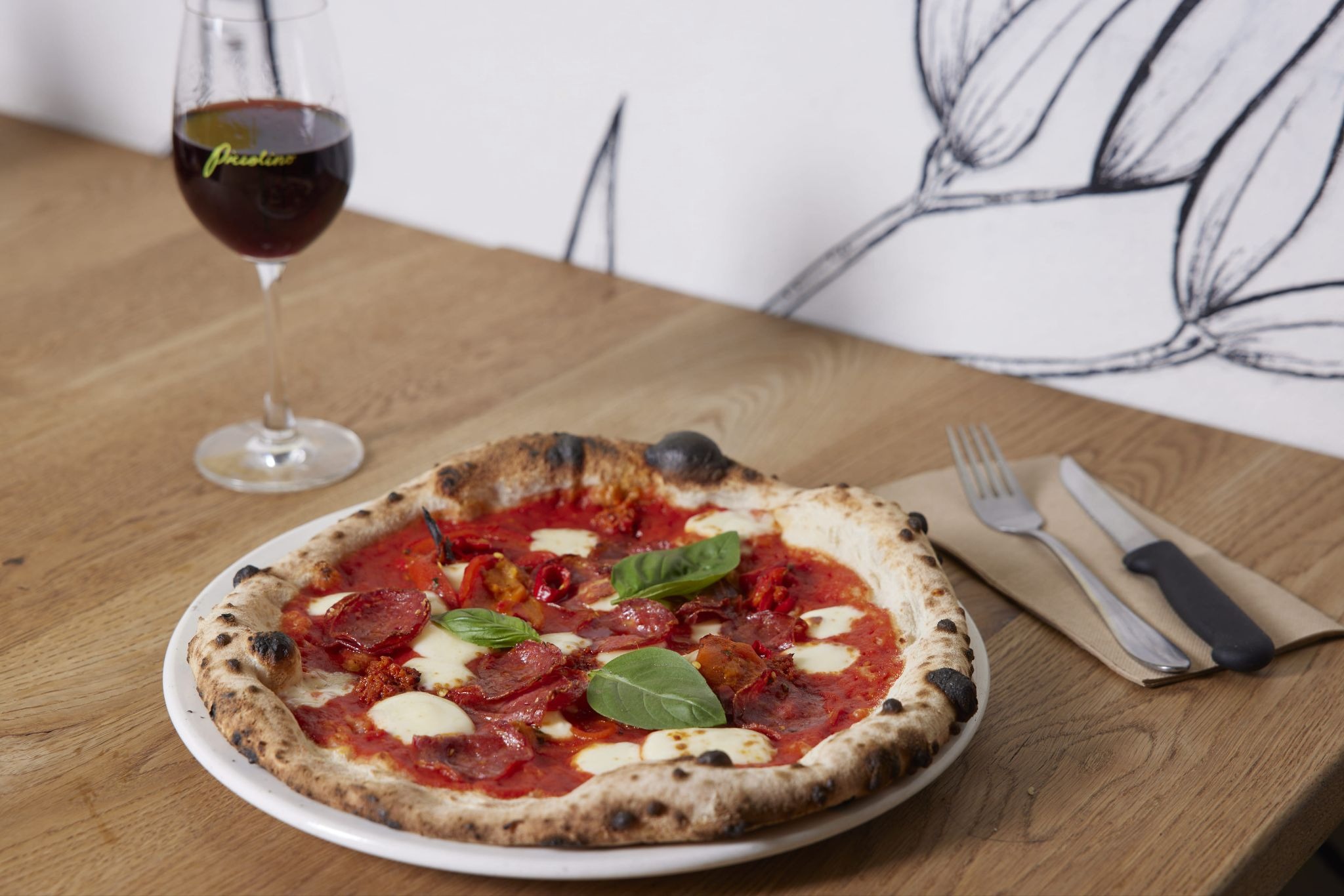
Instead of wheat flour, gluten-free bases are typically built on alternative flours such as rice flour, corn flour, almond flour, tapioca starch, or potato starch, often blended together for balance. Each flour contributes something different: rice flour brings lightness, tapioca adds chew, and potato starch helps with softness and browning. Because these flours lack gluten's natural elasticity, many recipes add binders such as xanthan gum or psyllium husk to hold the dough together and give it stretch. The remaining ingredients look familiar to any pizza maker: water, yeast, salt, and olive oil. The flour blend is where the craft lies, and it is the main reason two gluten-free pizzas can taste completely different. This is also why we leave our bases to a dedicated specialist rather than improvising in-house, a decision we explain further below.
Gluten Free vs Traditional Pizza Dough
The differences between the two doughs come down to structure and fermentation. Traditional dough relies on gluten to create its signature stretch, chew, and open, airy crumb, and it improves dramatically with long resting; our own traditional dough rests for 72 hours, a process we cover in our guide to overnight pizza dough. Gluten-free dough develops differently, so its texture tends to be either crisper or softer depending on the flour blend, rather than elastic and chewy. Flavour varies slightly too, since alternative flours each carry their own subtle character. None of this makes gluten-free pizza inferior; it simply makes it a different expression of the same dish. Cooked properly, especially at the high temperatures of a woodfired oven, a gluten-free base develops crisp edges and a satisfying bite that stands confidently beside traditional dough. For readers weighing up the nutritional side of different crusts, our healthy pizza base guide explores the topic in more depth.
What to Look for When Ordering Gluten-Free Pizza
A few simple signs separate restaurants that take gluten-free seriously from those offering a token option. First, ask where the base comes from: a named, dedicated supplier is a far better sign than a vague answer, because specialist producers control their ingredients and processes closely. Second, look at the range: if only one or two pizzas can be made gluten-free, the kitchen is treating it as an afterthought, whereas a full menu on a gluten-free base signals genuine commitment. Third, consider the oven, since gluten-free bases benefit enormously from fast, high-heat cooking that locks in moisture before the crust can dry out. Finally, transparent pricing matters; a clear, modest surcharge is fair and honest. Keeping these points in mind will improve your gluten-free dining anywhere in Melbourne, not just with us.
The Gluten Free Base at Piccolino
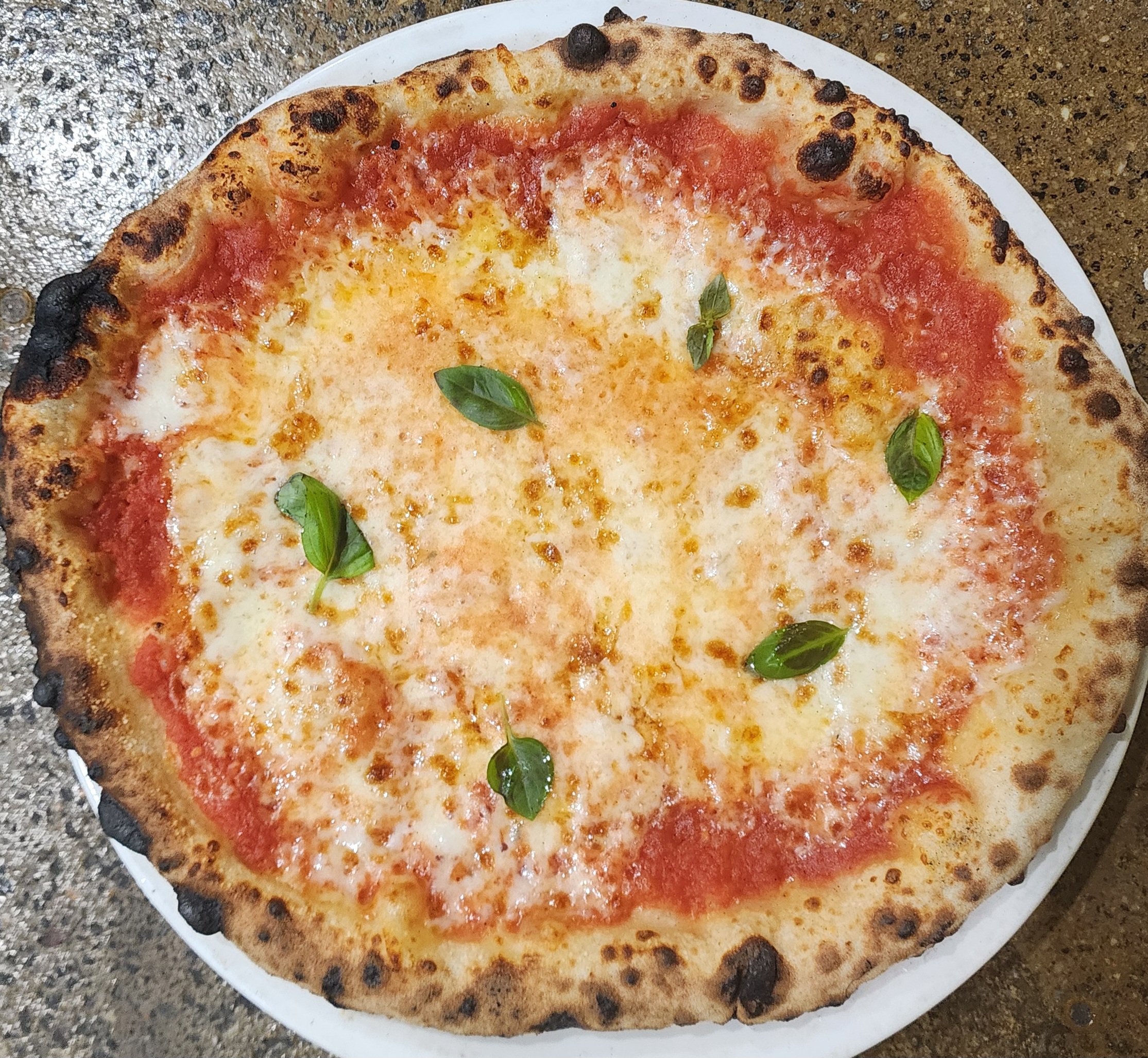
Our approach deliberately checks every one of those boxes. Piccolino's gluten-free bases are locally produced by Ardor Food Co, a Melbourne specialist we trust to match the standard of our own hand-stretched dough. Every pizza on our menu is available on a gluten-free base for a flat $5 extra, so coeliac diners can choose from the full range rather than a shortened list. Each base is fired in our woodfired oven, where the intense heat crisps and blisters the crust while keeping the centre tender, and adds the gentle smokiness that defines everything we bake. Head chef and owner Andrea Fioriti gives gluten-free orders the same attention as every other pizza leaving the kitchen.
What to Order on a Gluten Free Base
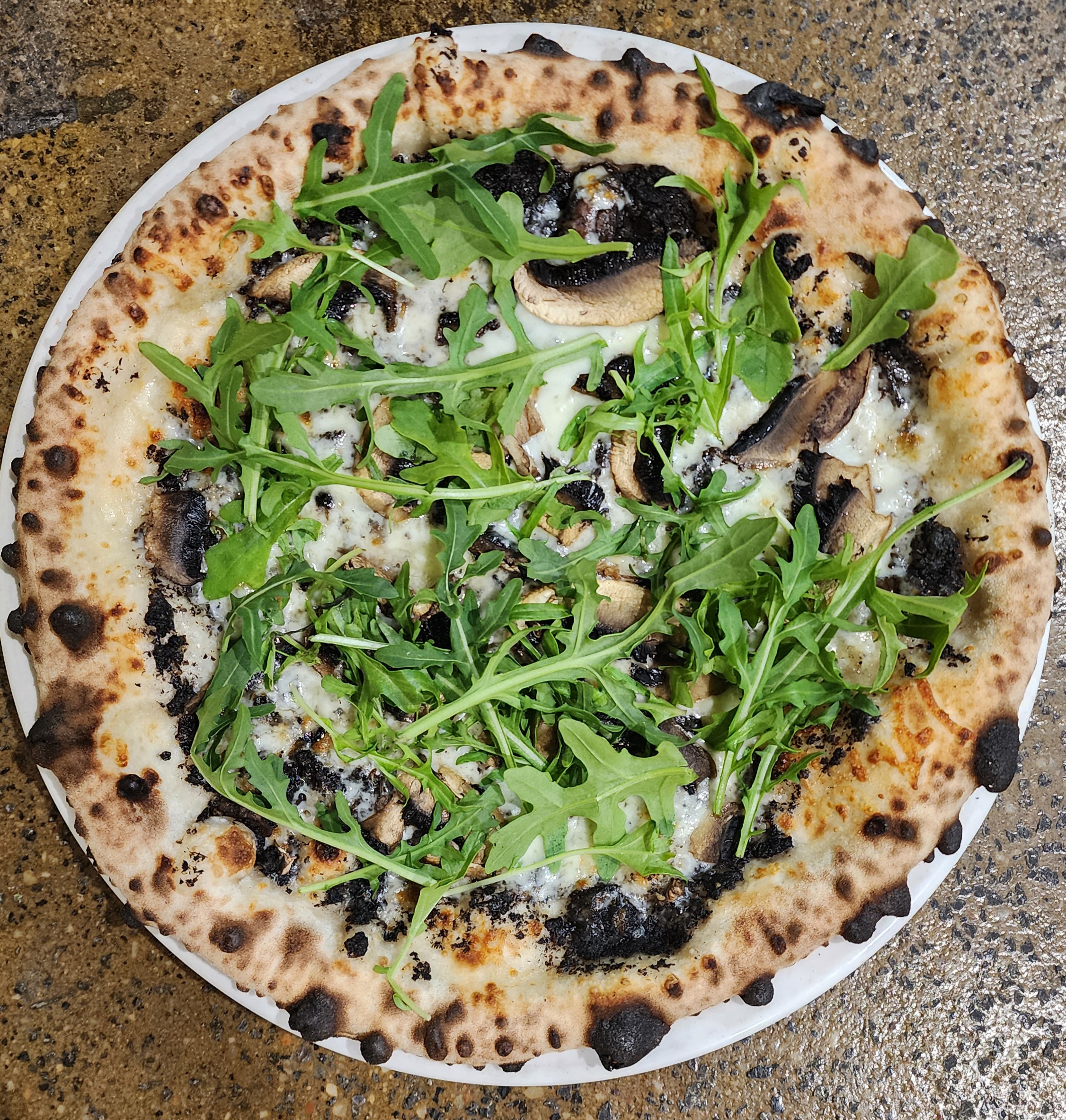
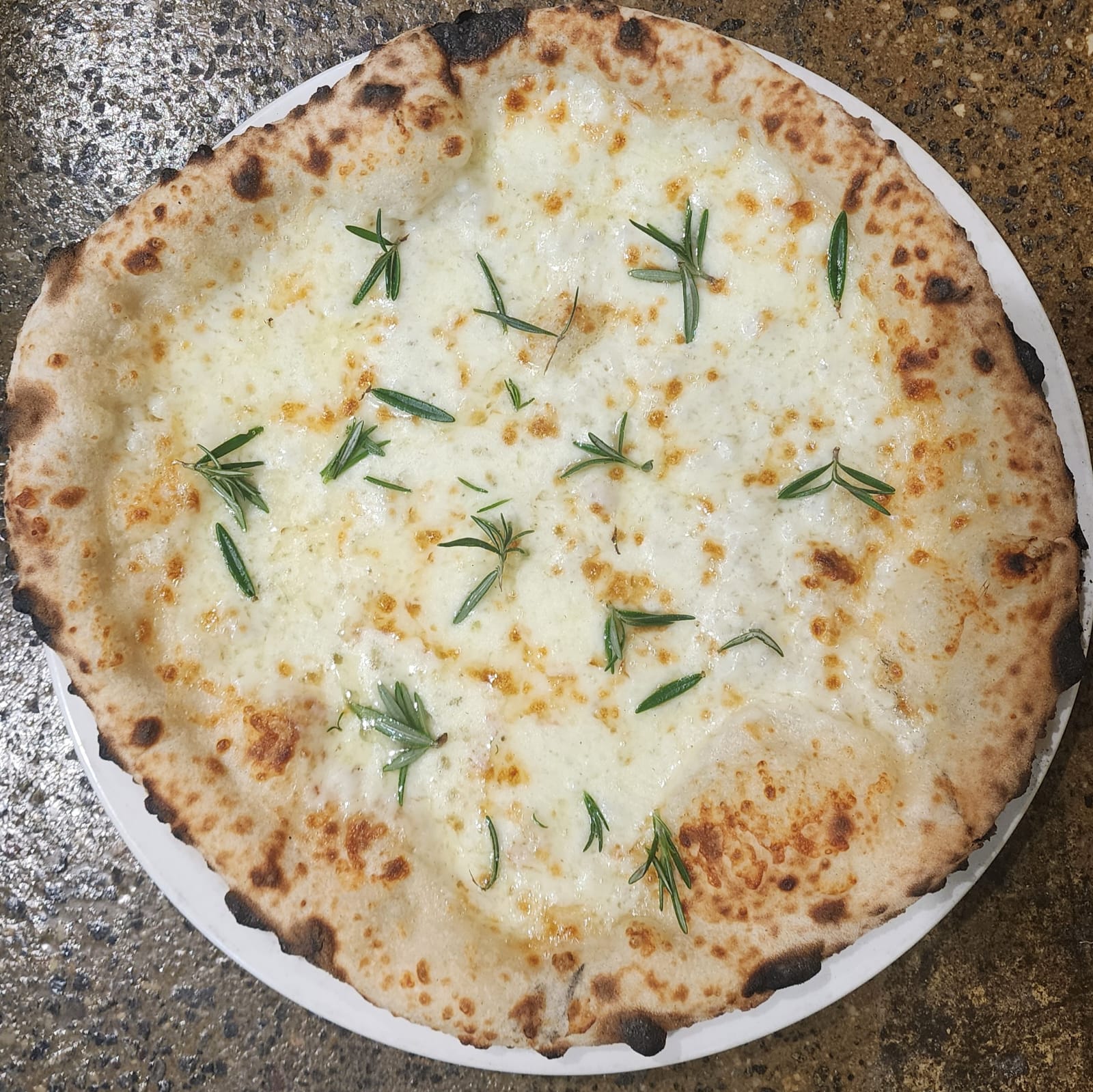
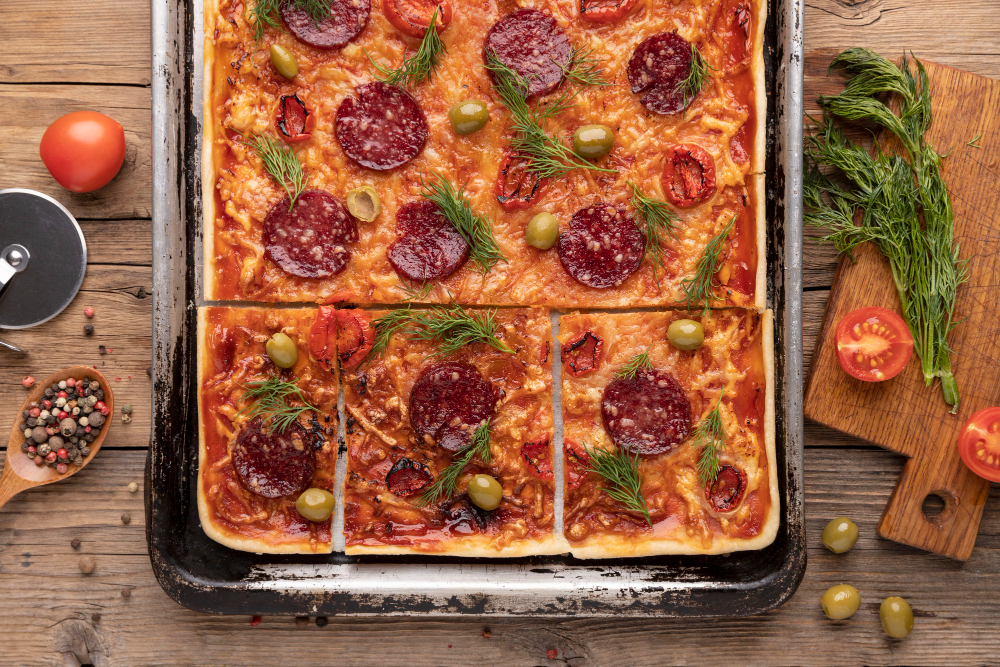
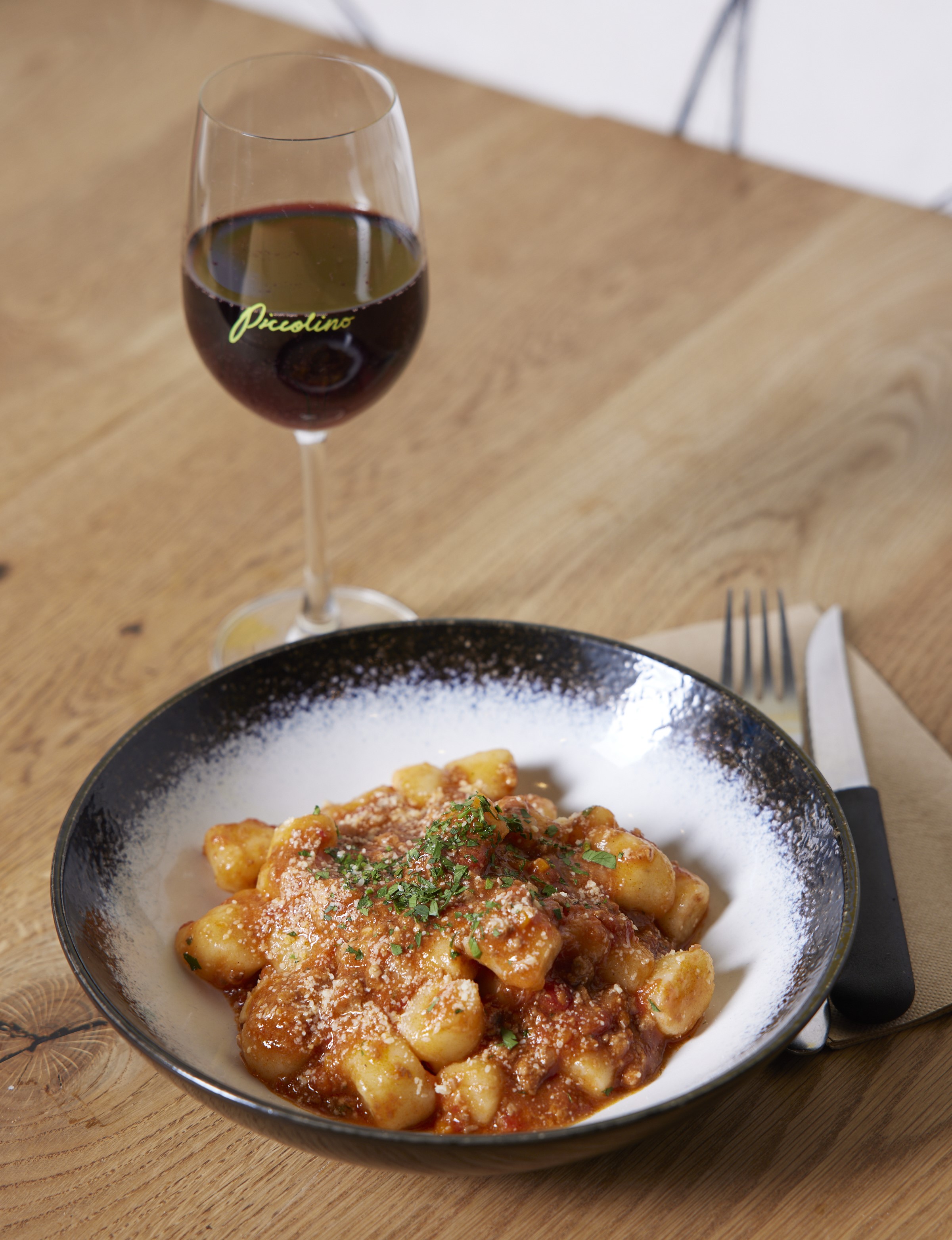
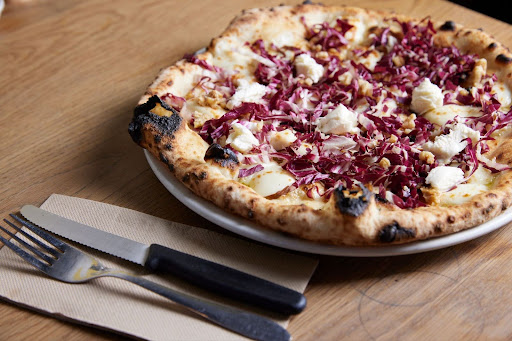
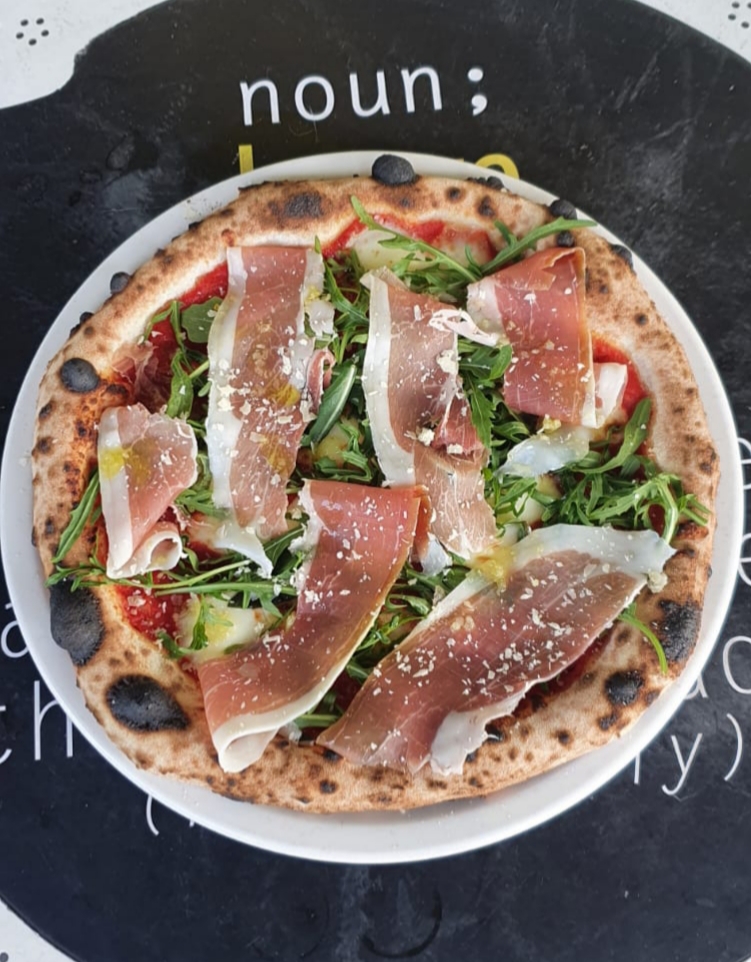
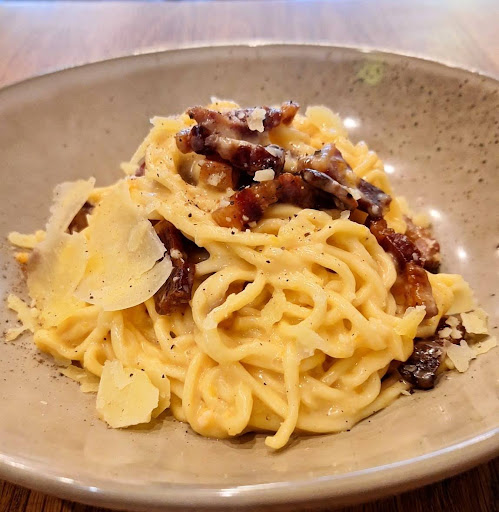
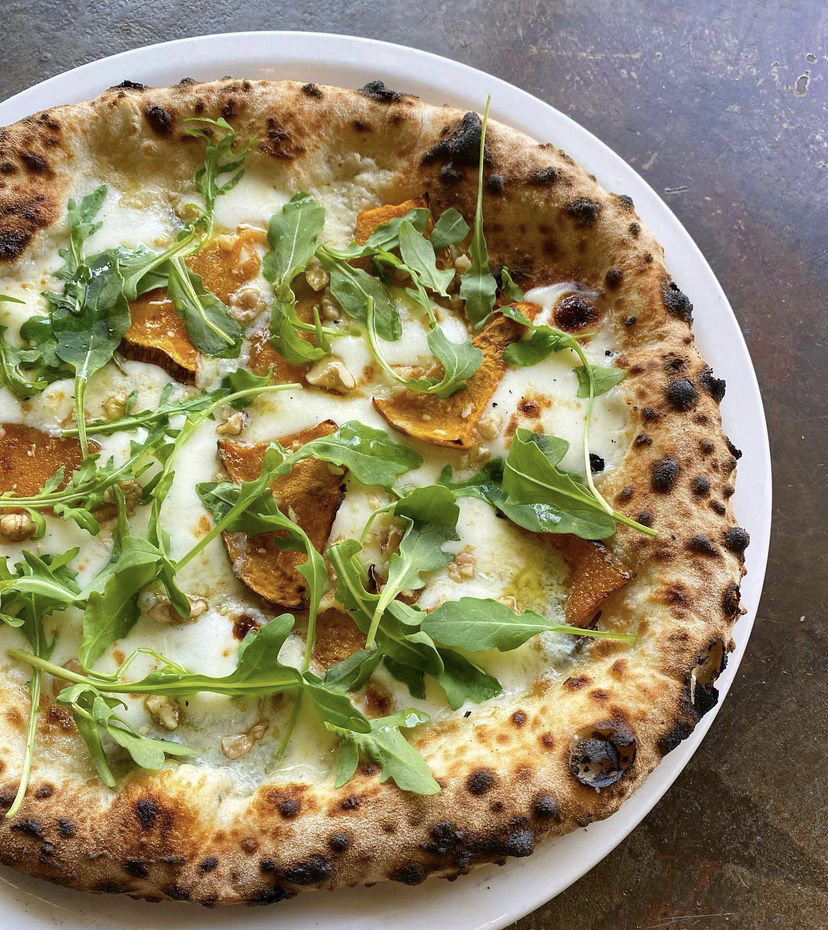
The honest answer is anything, because the entire menu qualifies, but a few favourites deserve a mention. The Salame ($26) and Capricciosa ($27) show how well the classics translate, while the Piccante ($26) and La Bomba ($29) bring proper Calabrian heat for spice lovers. For something you will struggle to find elsewhere, the Hungry Wild Boar ($30) and slow-cooked Porchetta ($32) are the pizzas our regulars talk about. Plant-based diners are equally covered, since all seven vegan pizzas, from the Margherita ($26) to the truffle-drizzled Funghi ($32), can also be ordered on a gluten free base. To round out the table, naturally gluten free starters such as marinated olives ($11) and our burrata salad ($21) pair beautifully with any pizza. And if pasta is calling instead, our house-made gluten free pasta range offers nine sauces on gluten free spaghetti or hand-rolled potato gnocchi.
Visit Piccolino in Fitzroy North
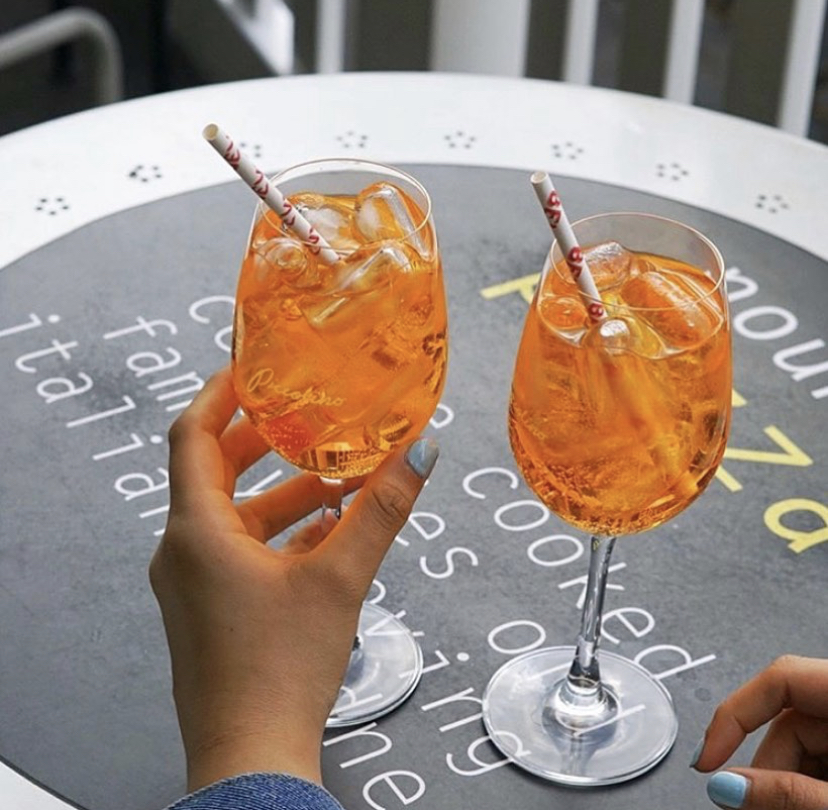
Understanding what makes a quality gluten free pizza base is one thing; experiencing it is another entirely. Our little corner of Scotchmer Street fills each evening with the crackle of the woodfired oven, the clink of spritz glasses, and the kind of conversation that stretches long past the last slice. Bring the coeliac friend who has stopped expecting much from pizza nights, order across the full Piccolino menu without a single compromise, and watch them realise nothing on the table is off limits. Locals wander in from Fitzroy North and cyclists roll up from Brunswick and Alphington, but plenty of guests cross Melbourne for a base they cannot find anywhere else. Book a table or call us on 03 9041 0809, and let the crust do the convincing.


.jpg)
.jpg)
.jpg)

.jpg)


.jpg)

.jpg)
.jpg)


.jpg)

.jpg)


.jpg)




.jpg)
.jpg)


.jpg)
.jpg)


.jpg)

.jpg)
.jpg)


"We take pride in an authentic approach to making woodfired pizza, and are responsible for some of this city's best house-made pasta and gnocchi dishes. We are also the very proud creator of a Melbourne first and our now most talked about dish, the Pasta in a Pizza Bowl"
Andrea Fioriti ~ Head Chef & Owner