September 21, 2026


Vegan Focaccia Bread: The Italian Bread That Is Naturally Made for Plant-Based Eating
August 17, 2026
Light, golden and full of flavour, vegan focaccia bread is a simple Italian favourite.
Few breads show the character of Italian baking quite like focaccia. Its golden surface, olive-oil aroma, and soft crumb make it equally suited to the centre of the table or as a quick snack on its own. What makes vegan focaccia particularly interesting is that plant-based eating does not require the traditional dough to be completely reinvented. Many recipes already begin with flour, water, yeast, salt and olive oil. The result is familiar Italian bread that can be shared by different diners at the same table, without making the plant-based choice feel separate from the rest of the meal.
What Is Vegan Focaccia?
Vegan focaccia is a version of the Italian flatbread made without animal-derived ingredients, often enjoyed with a sprinkle of sea salt. The basic dough relies on yeast fermentation for its rise rather than eggs, while olive oil adds richness and helps produce its characteristic golden surface, making it an easy-to-make vegan focaccia recipe.
Compared with a thin, crisp flatbread, Focaccia is usually thicker with an open, airy crumb. Generous olive oil also plays an important role during baking, coating the surface and collecting in the small indentations across the dough. Vegan recipes can then build flavour with rosemary, garlic, tomatoes, olives, onions, or other plant-based toppings without changing the bread's basic identity.
Why Traditional Focaccia Can Already Be Vegan
There is a useful distinction between making vegan focaccia and adapting a bread recipe to become vegan. In many traditional preparations, there may be very little to adapt in the first place.
Flour provides structure, yeast produces gas during fermentation, water hydrates the dough, salt controls flavour and fermentation, and olive oil adds richness without dairy. Some modern recipes include butter, milk, cheese, or other additions, so the ingredients still need to be checked. The important point is that these extras are not required to create focaccia's essential texture. This makes the bread a natural example of Italian food that can fit plant-based dining without losing what makes it recognisable, showcasing the versatility of a vegan focaccia recipe.
Why the Famous Focaccia Dimples Actually Matter
Those little holes across the top are more than a decorative signature; they allow for a drizzle of olive oil to enhance the flavour. Pressing fingertips into the risen dough creates pockets where olive oil, salt, and sometimes a water-based brine can settle before the bread enters the oven.
For vegan focaccia, this step directly affects texture and flavour. Oil held in the indentations helps keep the top well-coated, while the raised areas turn golden during baking, creating a crispy texture. The uneven surface also gives each piece greater textural contrast, rather than producing a completely flat crust. Dimples should therefore be pressed firmly enough to remain visible, but without aggressively knocking all the gas from the kneaded fermented dough.
Choosing Toppings Without Losing the Character of the Bread
Focaccia can carry plenty of flavour, but adding more toppings does not automatically make it better. Heavy layers can weigh down the dough and shift attention away from the airy crumb, olive oil and baked crust that define the bread.
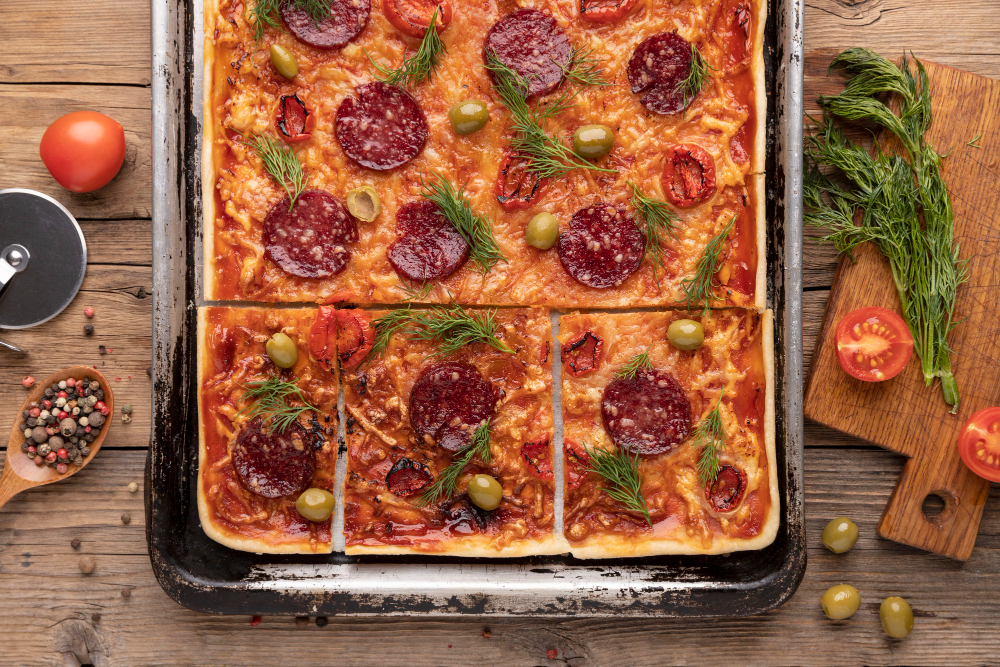
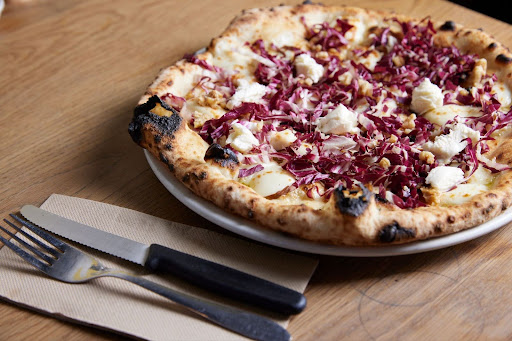
Rosemary and sea salt remain popular because they add aroma and seasoning without covering the surface. Tomatoes can bring acidity and moisture, while olives, onion, garlic and herbs create stronger savoury combinations. The same principle applies to Vegetarian Pizza and other dough-based Italian dishes: toppings work best when their moisture, weight, and intensity suit the base beneath them. A good topping should complement the bread rather than turn it into something else.
A Little Italian Comfort at Piccolino
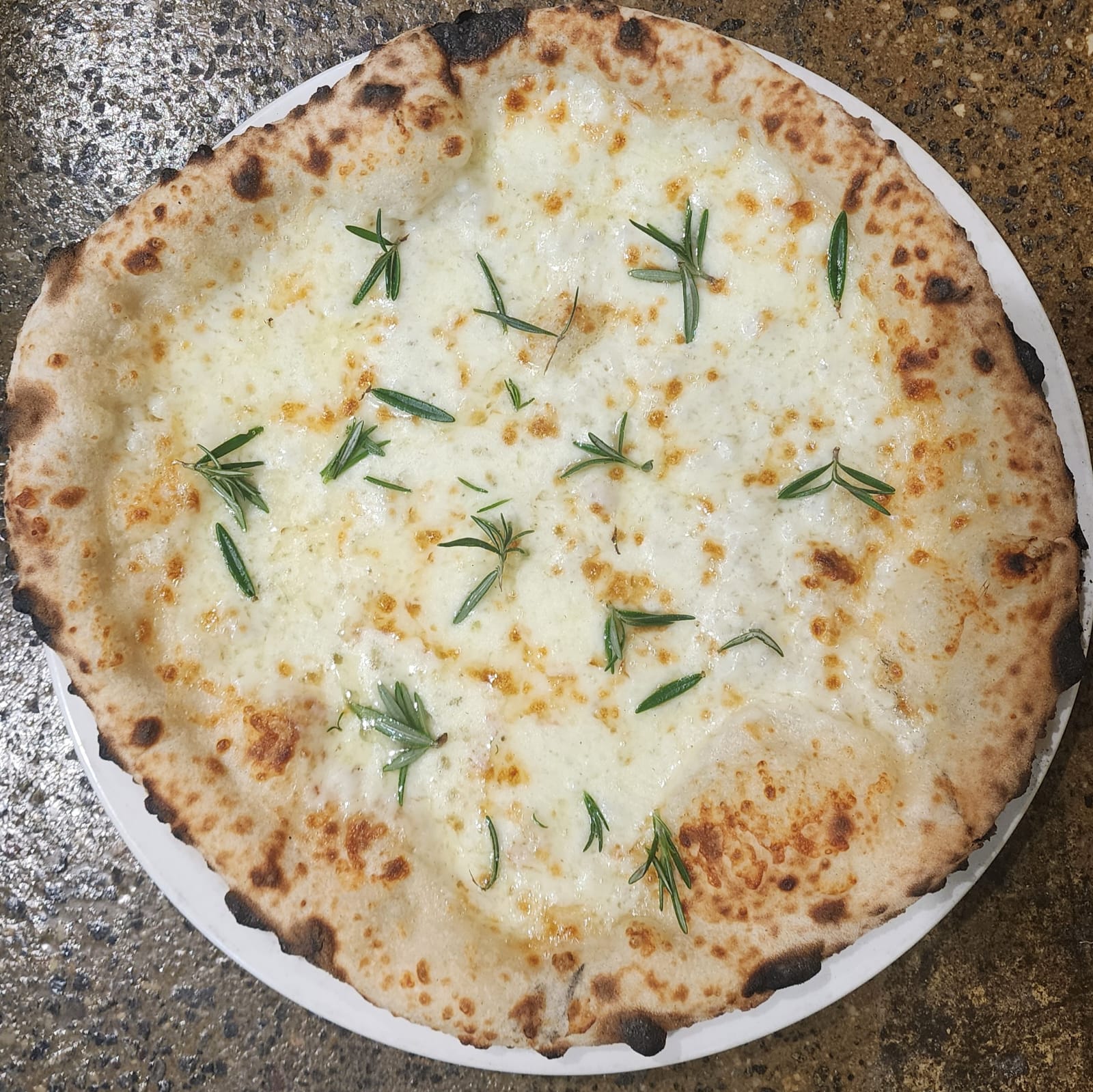
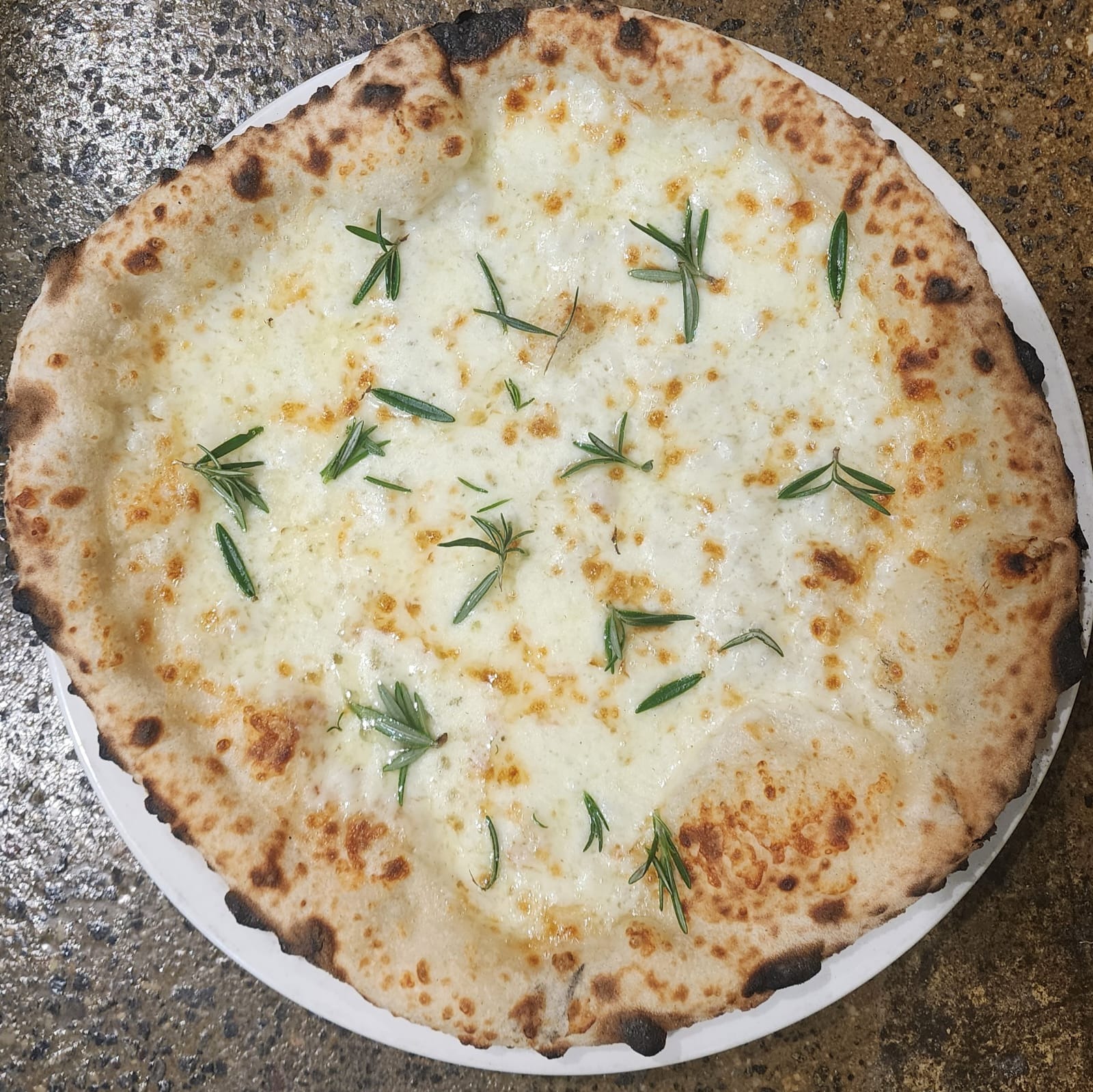
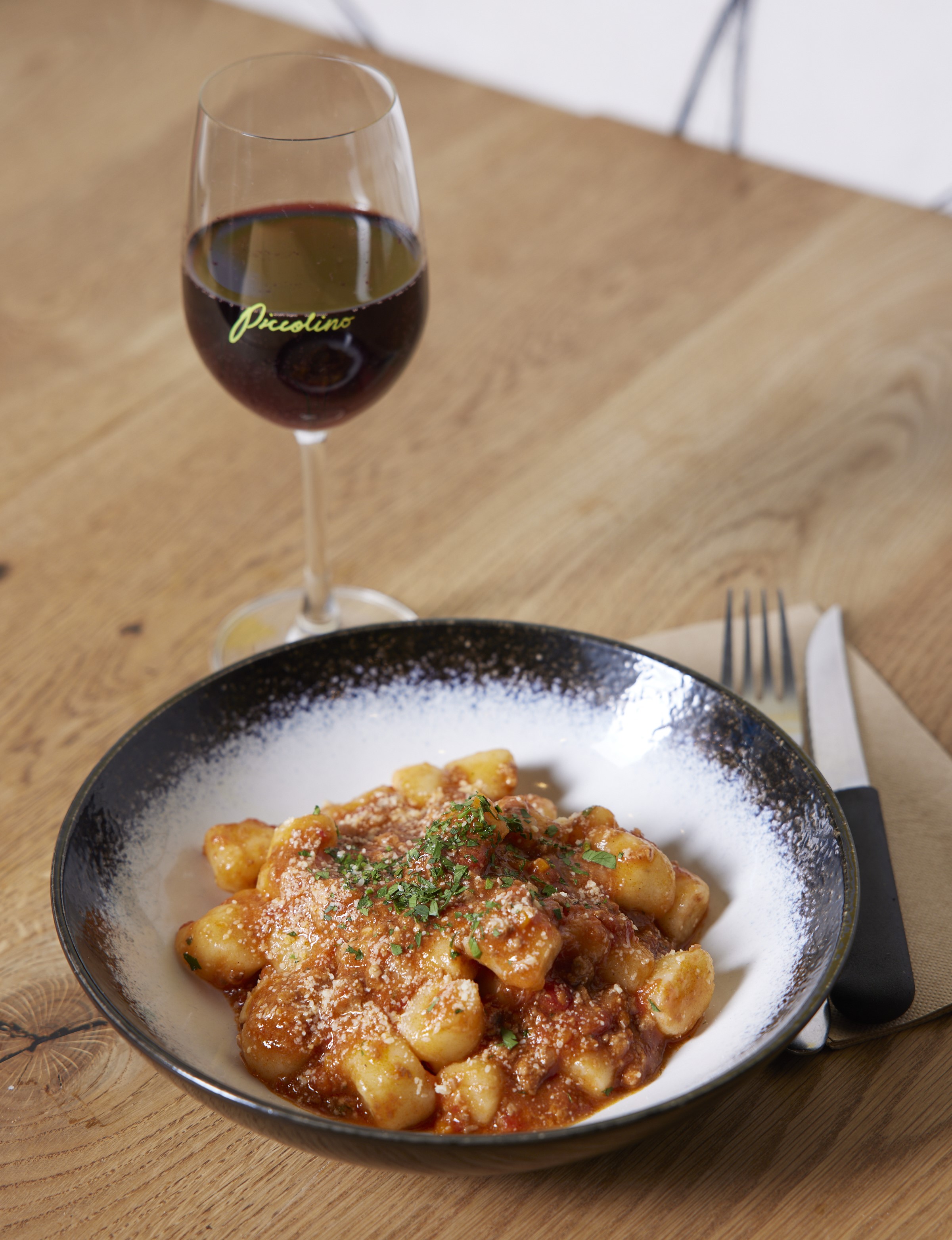
At Piccolino in Fitzroy North, bread sits naturally alongside the restaurant's wood-fired pizza, homemade pasta and Italian starters. Its current appetiser menu includes the Garlic & Mozz Focaccia, prepared with garlic-infused oil, mozzarella, and fresh rosemary. Piccolino describes it as having a soft centre with a crisp golden crust.
While that menu item contains mozzarella and therefore should not be described as vegan focaccia in its listed form, the wider menu clearly identifies vegan selections and vegan versions of several dishes. It reflects an approach in which friends and family with different preferences can still sit down to Italian food together, with plant-based dishes as part of the experience rather than an afterthought.
From the Oven to the Same Table
The appeal of vegan focaccia lies in how naturally it fits into Italian cuisine. Its core ingredients can create bread with a crisp, golden surface, an airy centre, and plenty of olive oil flavour without relying on animal products. It also shows how plant-based dining can sit comfortably beside familiar Italian favourites without feeling like a separate experience.
Ready for an Italian meal in Fitzroy North, featuring our delicious vegan focaccia? Visit Piccolino Woodfired Pizza and Homemade Pasta, explore the menu and book a table to enjoy pizza, pasta and Italian favourites made for sharing around the same table.
News
More News articles


.jpg)
.jpg)
.jpg)

.jpg)



.jpg)

.jpg)
.jpg)


.jpg)

.jpg)


.jpg)



.jpg)

.jpg)
.jpg)


.jpg)
.jpg)


.jpg)

.jpg)
.jpg)


"We take pride in an authentic approach to making woodfired pizza, and are responsible for some of this city's best house-made pasta and gnocchi dishes. We are also the very proud creator of a Melbourne first and our now most talked about dish, the Pasta in a Pizza Bowl"
Andrea Fioriti ~ Head Chef & Owner