

November 19, 2026


Sicilian vs Neapolitan Pizza: What Makes These Italian Styles Different?
November 19, 2026
Sicilian vs Neapolitan Pizza? Think thick, airy squares and soft, blistered rounds.
Pizza is a favourite across Italy, but regions make it differently. In Naples, pizza is known for its thin, soft base and simple toppings, while Sicily has its own traditional recipes with thicker bases and richer flavours. Over time, people in each region developed their own way of making pizza using local ingredients and recipes passed down through generations. In Naples, pizza is traditionally thin and soft with simple toppings, while Sicilian pizza varieties are often thicker, with rich tomato sauces, cheese and other savoury ingredients. Comparing Sicilian vs Neapolitan pizza reveals two distinct Italian food traditions that have influenced pizza-making worldwide. Exploring their origins, traditional varieties, and cooking techniques helps explain what sets these styles apart.
Sicilian vs Neapolitan Pizza: What Are the Main Differences?
The main differences between Sicilian and Neapolitan pizza are shape, texture, ingredients, and preparation. Sicilian-style pizza is generally rectangular or square, with a thicker base and a soft interior. Neapolitan pizza is traditionally round, featuring a thin centre and a raised outer crust. Their toppings also reflect different regional preferences. Sicilian recipes often include onions, anchovies, breadcrumbs and aged cheese, while Neapolitan varieties traditionally use tomatoes, mozzarella, basil and olive oil. Although both originated in Italy, they developed through different local traditions that continue to influence their modern versions.
The History of Sicilian and Neapolitan Pizza
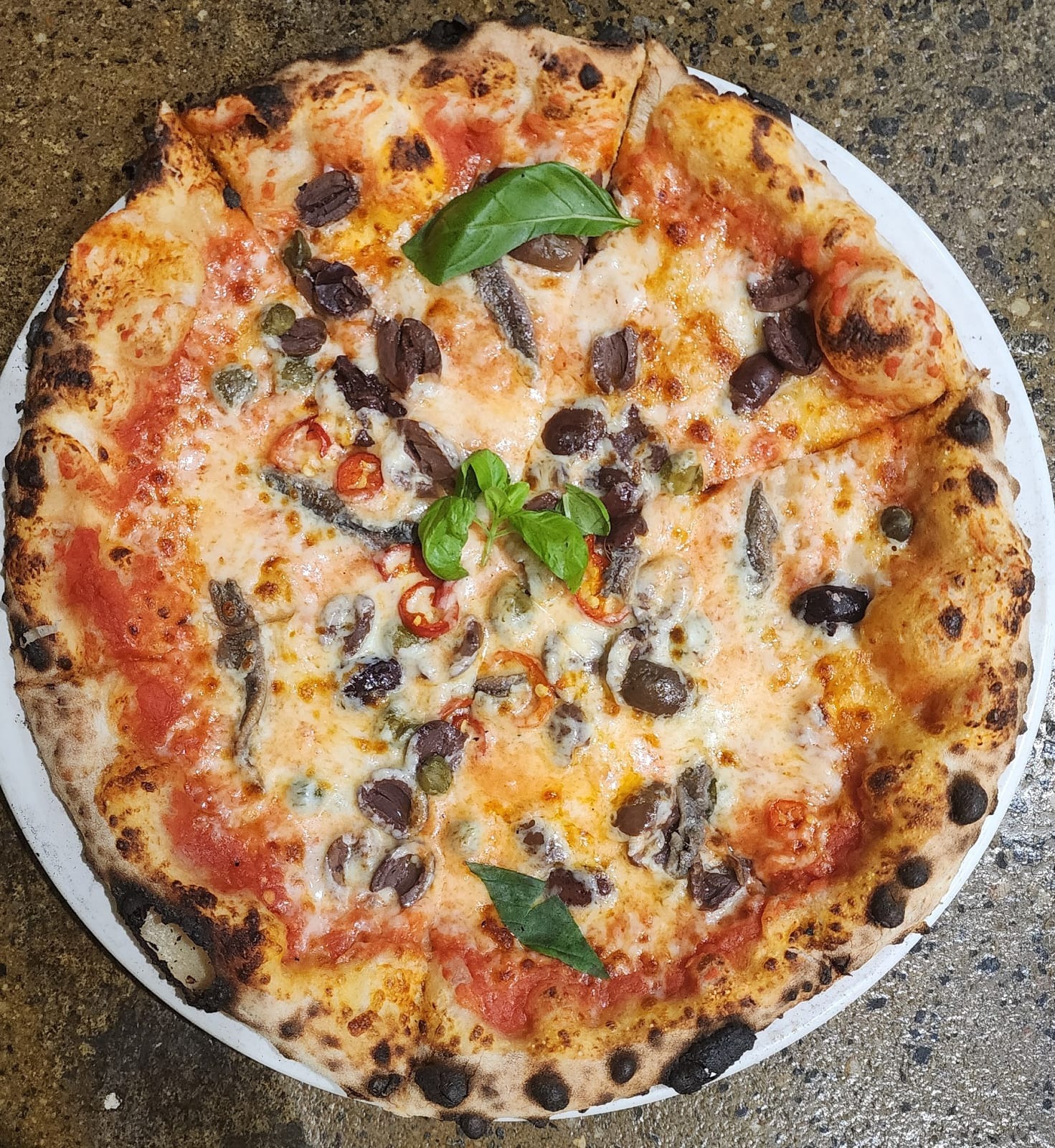
Pizza's history shows how regional ingredients and local eating habits shaped Italian cooking. In Naples, pizza became an affordable meal among working-class communities during the eighteenth and nineteenth centuries. Local pizza makers prepared round flatbreads with tomatoes and other accessible ingredients, eventually developing recipes that became associated with the city. Sicily followed a different tradition, particularly in Palermo, where a baked bread-based speciality known as sfincione became popular. Its name is believed to come from a word meaning sponge, referring to its soft and airy consistency. Traditionally sold by street vendors, sfincione remains an important part of Palermo’s food culture.
Traditional Types of Sicilian Pizza
When discussing Sicilian vs Neapolitan pizza, it is important to recognise that Sicily has several regional variations rather than one fixed recipe. Traditional Sicilian preparations differ in their toppings, appearance and local origins, particularly between Palermo and nearby Bagheria.
Sfincione Palermitano
Sfincione Palermitano is one of Sicily’s best-known pizza-like specialities. Its traditional topping features a rich mixture of tomato, onion, anchovies and caciocavallo cheese, often finished with breadcrumbs. The breadcrumbs absorb moisture while adding a lightly toasted texture. This combination creates a savoury flavour that distinguishes sfincione from mozzarella-based pizzas. Traditionally sold in portions at markets and by street vendors, it is closely connected to Palermo’s everyday food culture. Its rectangular shape also makes it easy to serve to several people, especially during family gatherings and local celebrations.
Sfincione Bagherese
Originating in Bagheria near Palermo, Sfincione Bagherese offers a different take on the traditional recipe. Unlike the tomato-based Palermo version, it is commonly prepared without tomato sauce, using onions, anchovies, local cheeses and breadcrumbs. Its pale appearance makes it easy to distinguish from other Sicilian varieties. The combination of cheese and slowly cooked onions creates a rich, savoury flavour, while breadcrumbs add a light texture. This regional speciality shows how neighbouring Sicilian communities developed different recipes using locally available ingredients.
American Sicilian-Style Pizza
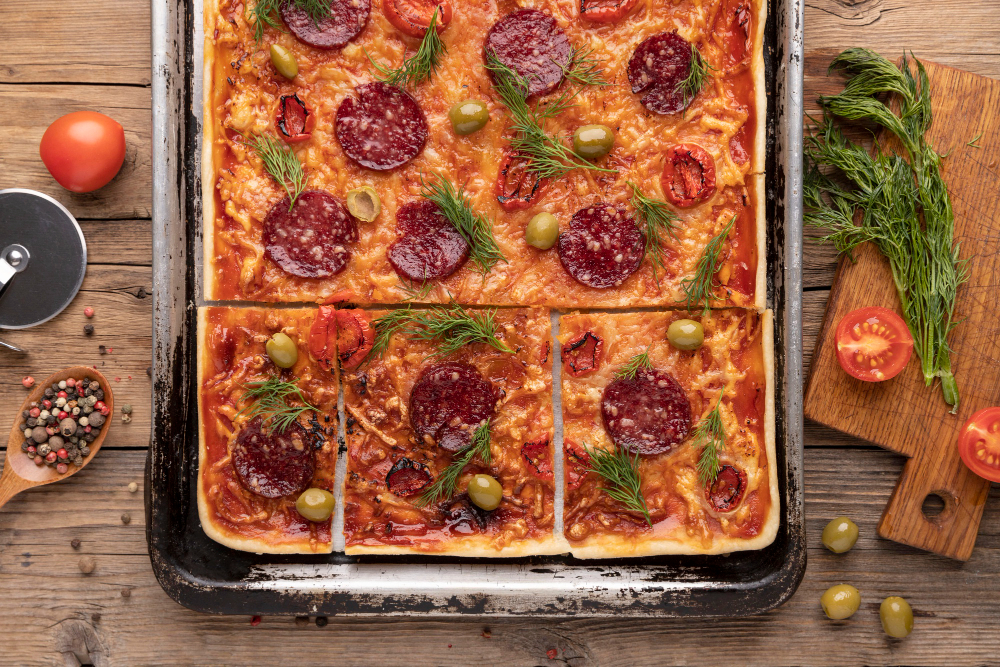
Sicilian immigrants helped introduce thick, rectangular pizza to the United States, where the style gradually developed its own characteristics. American Sicilian-style pizza typically features mozzarella, tomato sauce and a substantial dough base baked in a rectangular tray. Some versions place the cheese beneath the sauce, creating a different arrangement from traditional Italian recipes. It is commonly served in square portions, making it popular for sharing and takeaway meals. Although influenced by Sicilian cooking, this American interpretation should not be confused with traditional Palermo-style sfincione, which uses a different combination of toppings and regional ingredients.
Classic Neapolitan Pizza Varieties
Understanding Sicilian vs Neapolitan pizza also means recognising the traditional recipes that made Naples famous. Neapolitan pizza is best known for simple ingredient combinations that let the natural flavours of tomatoes, cheese and herbs shine through.
Pizza Margherita
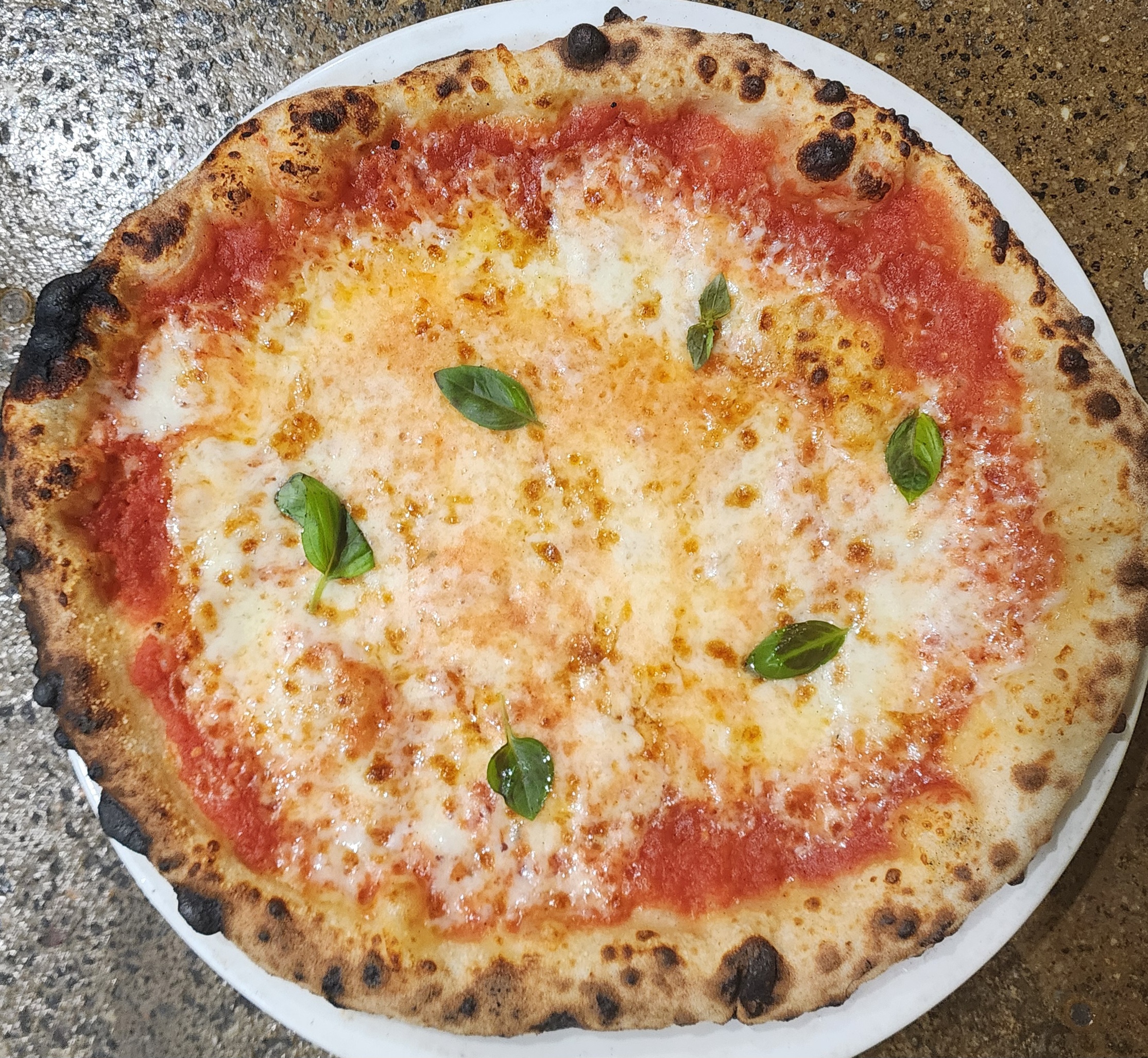
Pizza Margherita is recognised for its combination of tomatoes, mozzarella, fresh basil and extra virgin olive oil. Its red, white and green ingredients are famously associated with the colours of the Italian flag. The pizza is traditionally linked to Queen Margherita’s 1889 visit to Naples, although similar tomato and cheese pizzas existed before that. Today, Margherita remains one of the most recognised Italian pizzas. It is often used as an example of traditional Neapolitan cooking, where a small selection of quality ingredients creates a balanced flavour.
Pizza Marinara
Despite its name, Pizza Marinara does not traditionally contain seafood. Instead, it features tomatoes, garlic, oregano and olive oil, making it one of the simplest recognised Neapolitan pizza varieties. Its name is often linked to Naples’ maritime traditions, and the recipe has long been part of the city’s food culture, showcasing its rich history in pizza styles. Without mozzarella, the flavour comes primarily from the tomato sauce and aromatic ingredients. Pizza Marinara remains popular among those who prefer a traditional Italian pizza without cheese, showing how a few carefully selected ingredients can produce a satisfying meal.
Sicilian vs Neapolitan Pizza: Ingredients and Cooking Methods
One key difference between Sicilian and Neapolitan pizza is how each style uses heat and baking equipment. Traditional Neapolitan pizza is cooked in a very hot oven, generally for around 60 to 90 seconds. This short baking time produces a soft centre and a raised crust with characteristic browned spots. Sicilian varieties usually require a longer cooking period because of their thicker structure, often using an oiled tray to create a crisp underside. Their ingredients also influence the finished flavour. Anchovies, onions, and aged cheeses give many Sicilian preparations a stronger savoury character, while Neapolitan classics favour simpler combinations that let individual ingredients remain distinct.
Sicilian vs Neapolitan Pizza: Which Style Is Better?
Choosing between Sicilian and Neapolitan pizza depends on personal taste and the kind of meal you enjoy. Sicilian varieties may appeal to those who prefer substantial portions, rich toppings and a bread-like texture. Their rectangular shape also makes them easy to share during casual meals and gatherings. Neapolitan pizza, by contrast, is traditionally served as a round individual pizza with a soft centre and lightly raised edges. It suits people who appreciate fresh ingredients and classic tomato-based recipes. Among the different types of pizza, both styles remain significant examples of Italy’s regional cooking traditions.
Enjoy Italian Woodfired Pizza at Piccolino in Fitzroy North
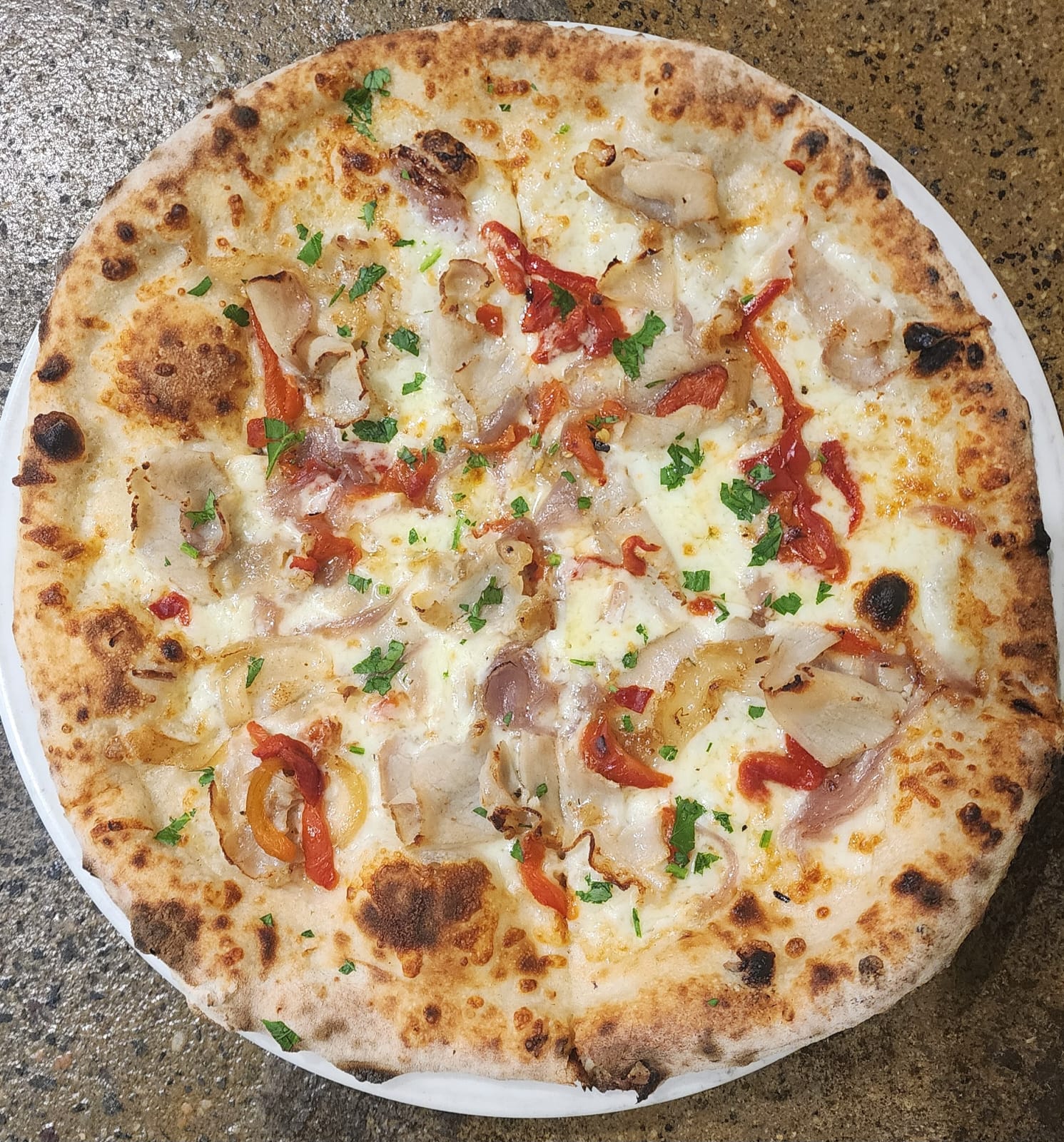
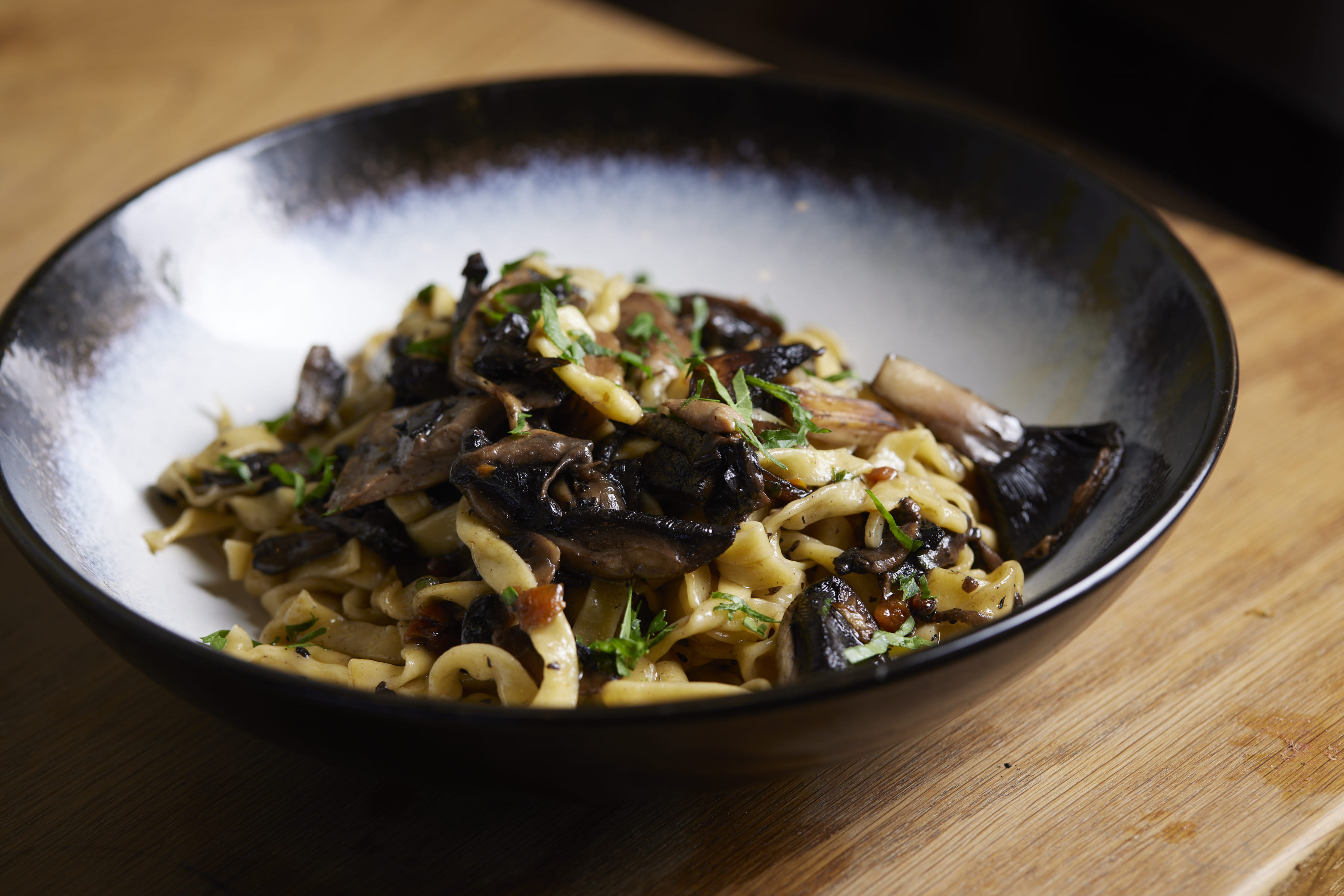
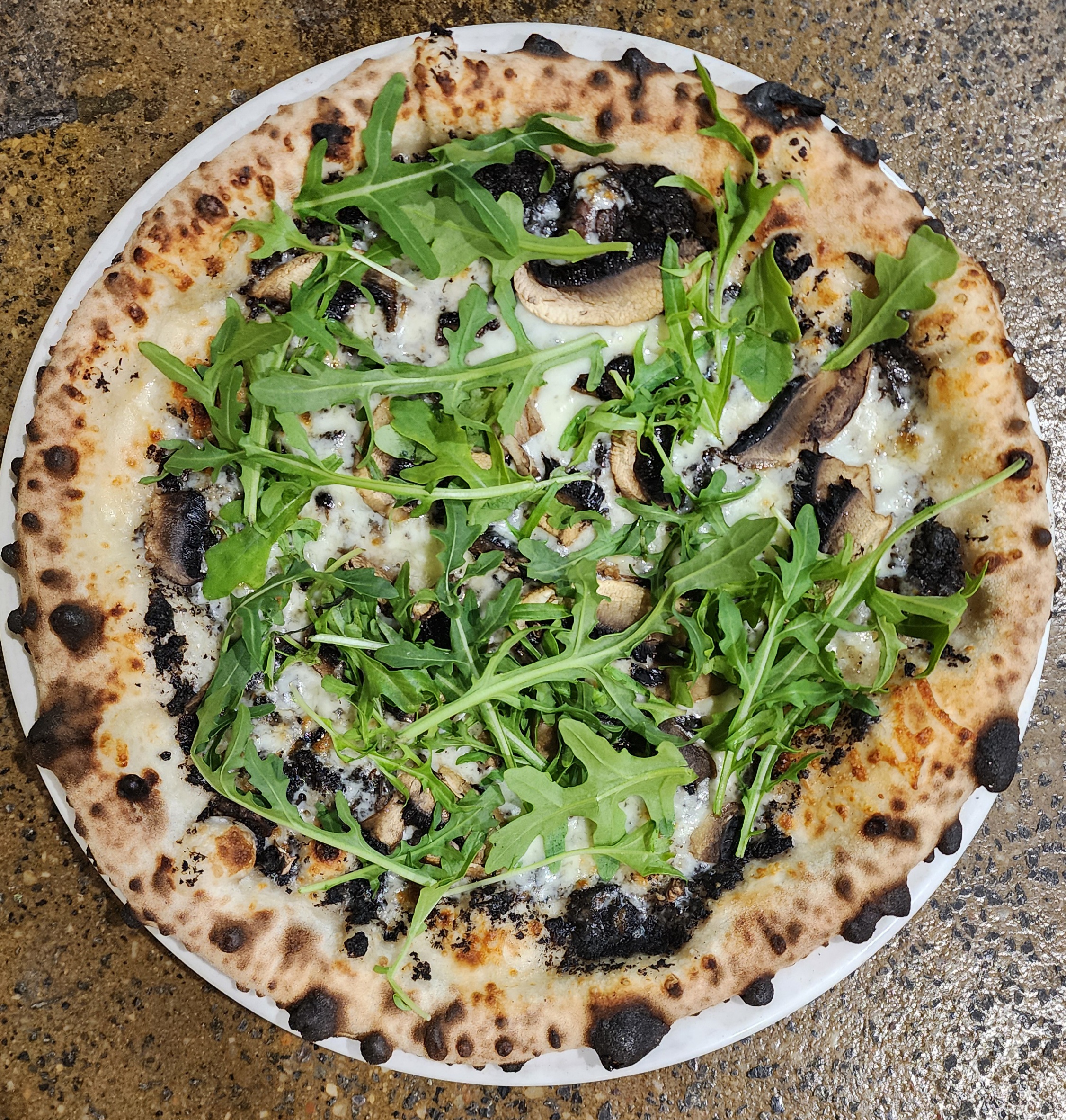
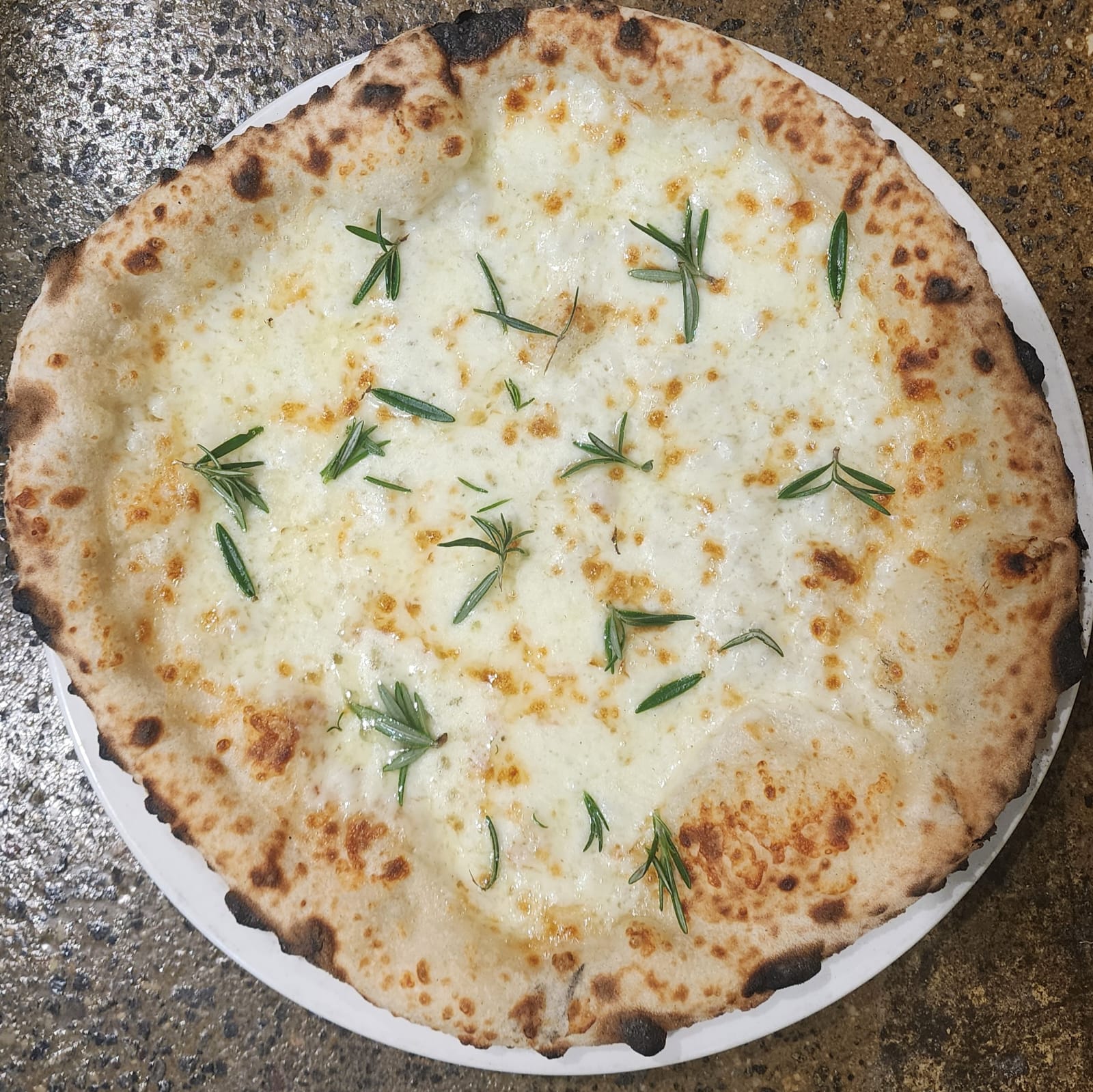
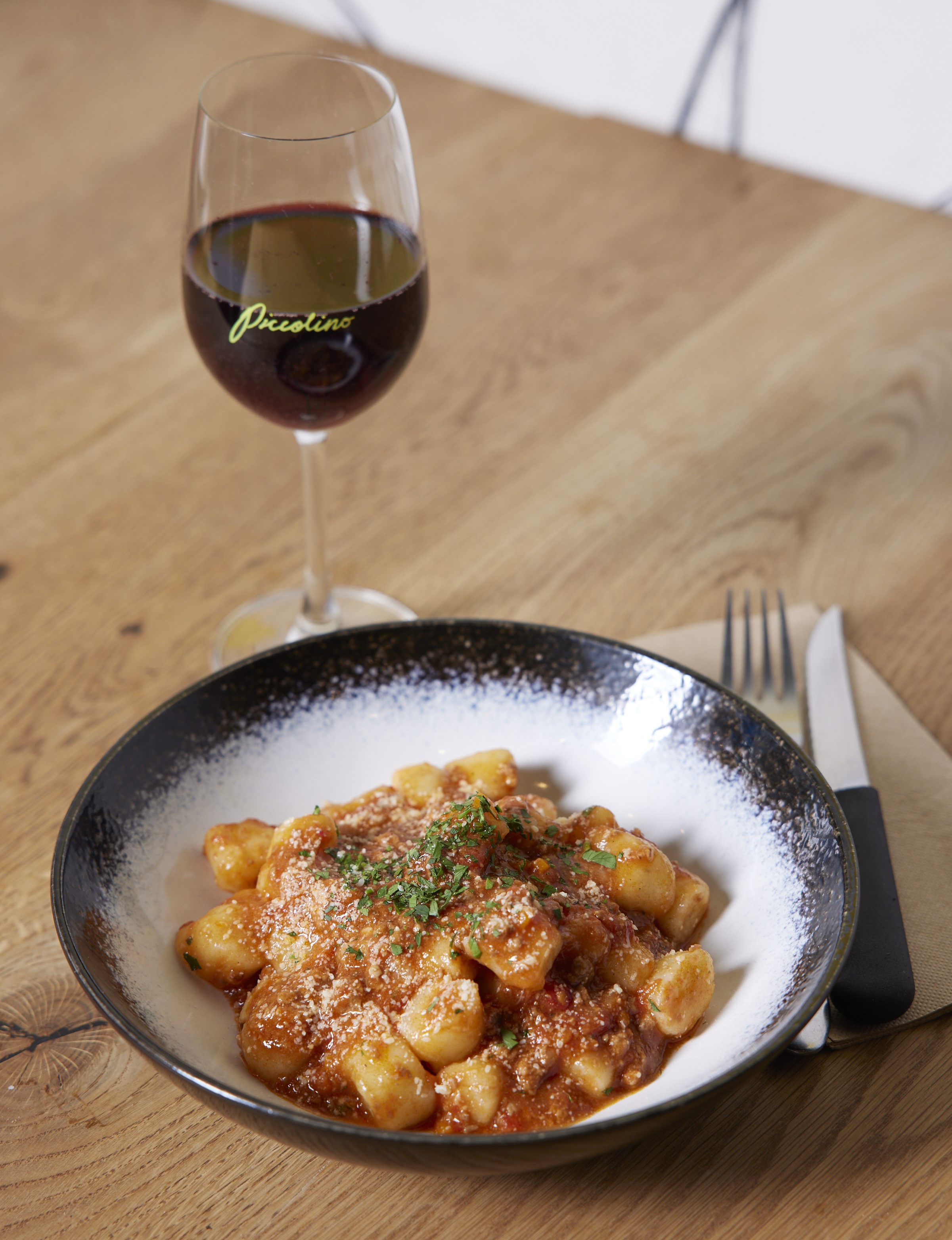
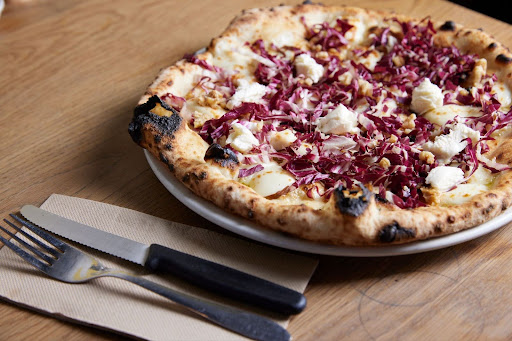
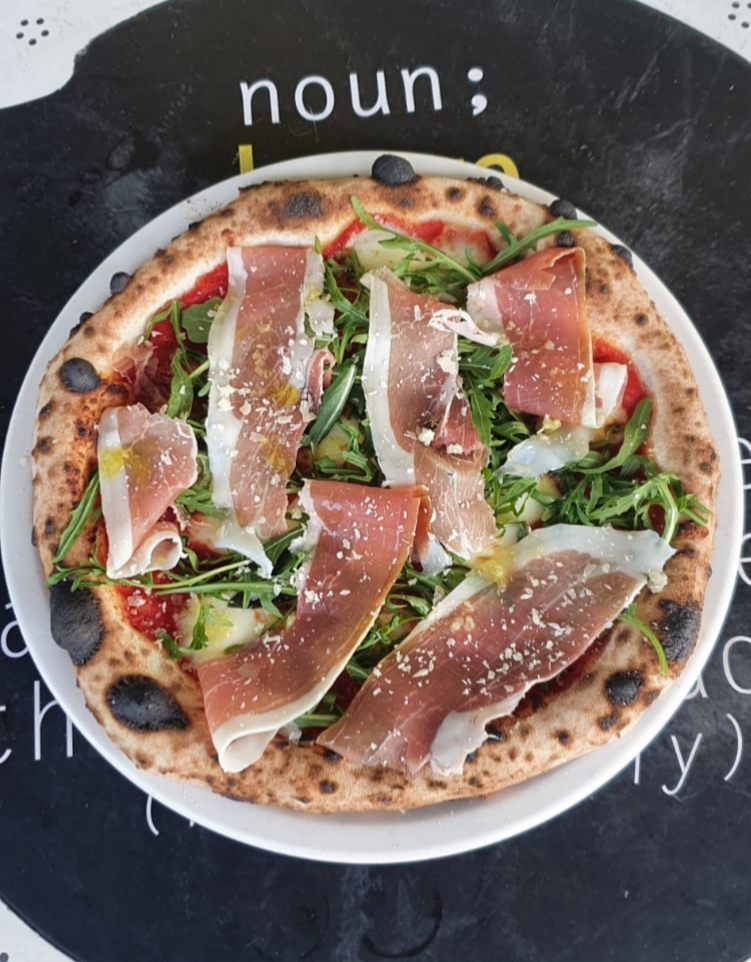
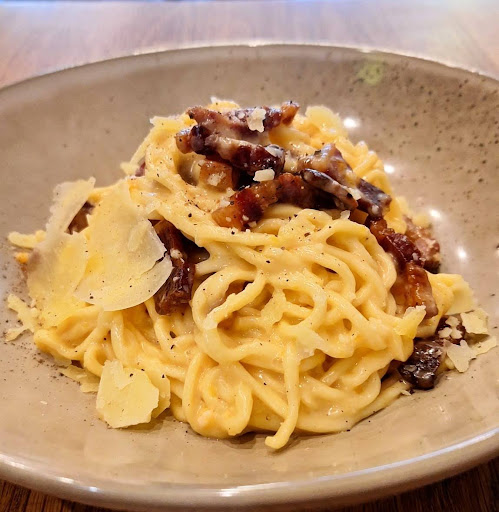
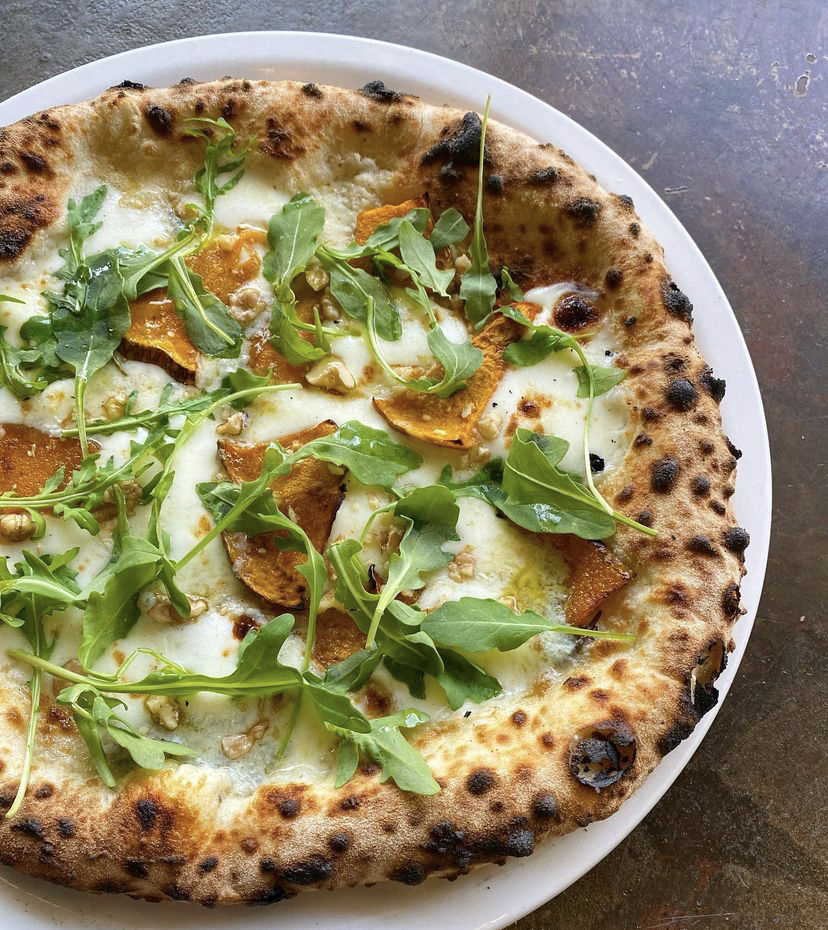
Italian pizza traditions continue to influence restaurant menus worldwide, including at Piccolino Woodfired Pizzeria in Fitzroy North, Melbourne. Piccolino offers a selection of woodfired pizzas, including the classic Margherita with Napoli tomato sauce, mozzarella and basil. Other menu options include Capricciosa with ham, mushrooms and olives, and Salame with mozzarella, salame and basil, each offering a different slice of flavor. For those who prefer vegetable-based toppings, Piccolino also serves options such as Eggplant Parmigiana and Potato Head, featuring potato, red onion, rosemary and balsamic glaze. Guests can explore the Piccolino menu for more woodfired pizzas, homemade pasta and other Italian dishes.
Why These Two Italian Pizza Traditions Remain Popular
Comparing Sicilian and Neapolitan pizza shows how Italy’s regional food culture has influenced recipes enjoyed worldwide. From Palermo’s traditional sfincione to Naples’ famous Margherita and Marinara, each style represents a different approach to Italian cooking. Their popularity continues because of the distinctive ingredients, preparation methods and local traditions behind them. For anyone interested in Sicilian vs Neapolitan, learning about these regional specialities can make choosing an Italian meal more interesting. Visit Piccolino Woodfired Pizzeria in Fitzroy North to explore its woodfired pizza menu and enjoy an Italian meal with family or friends.
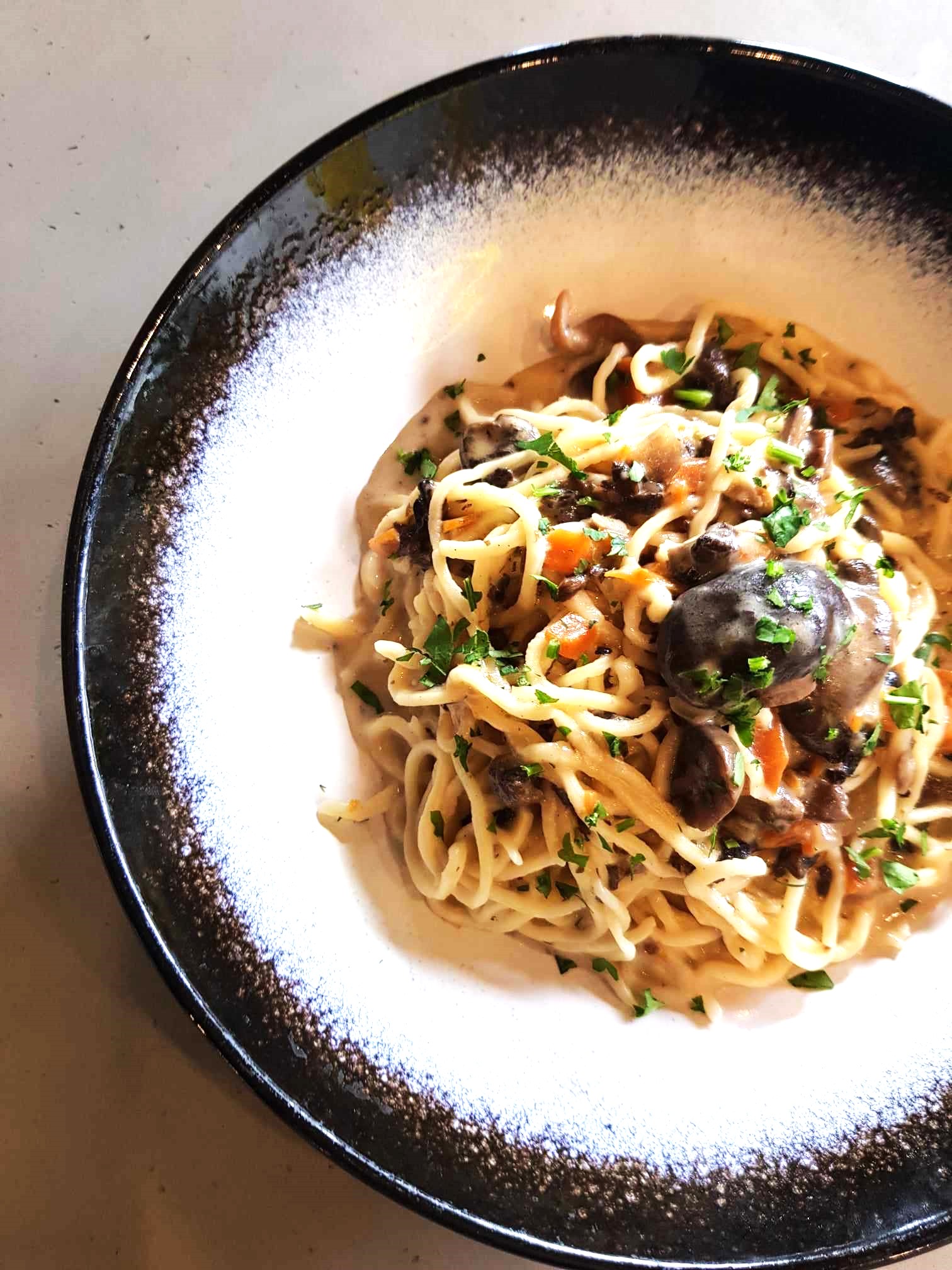


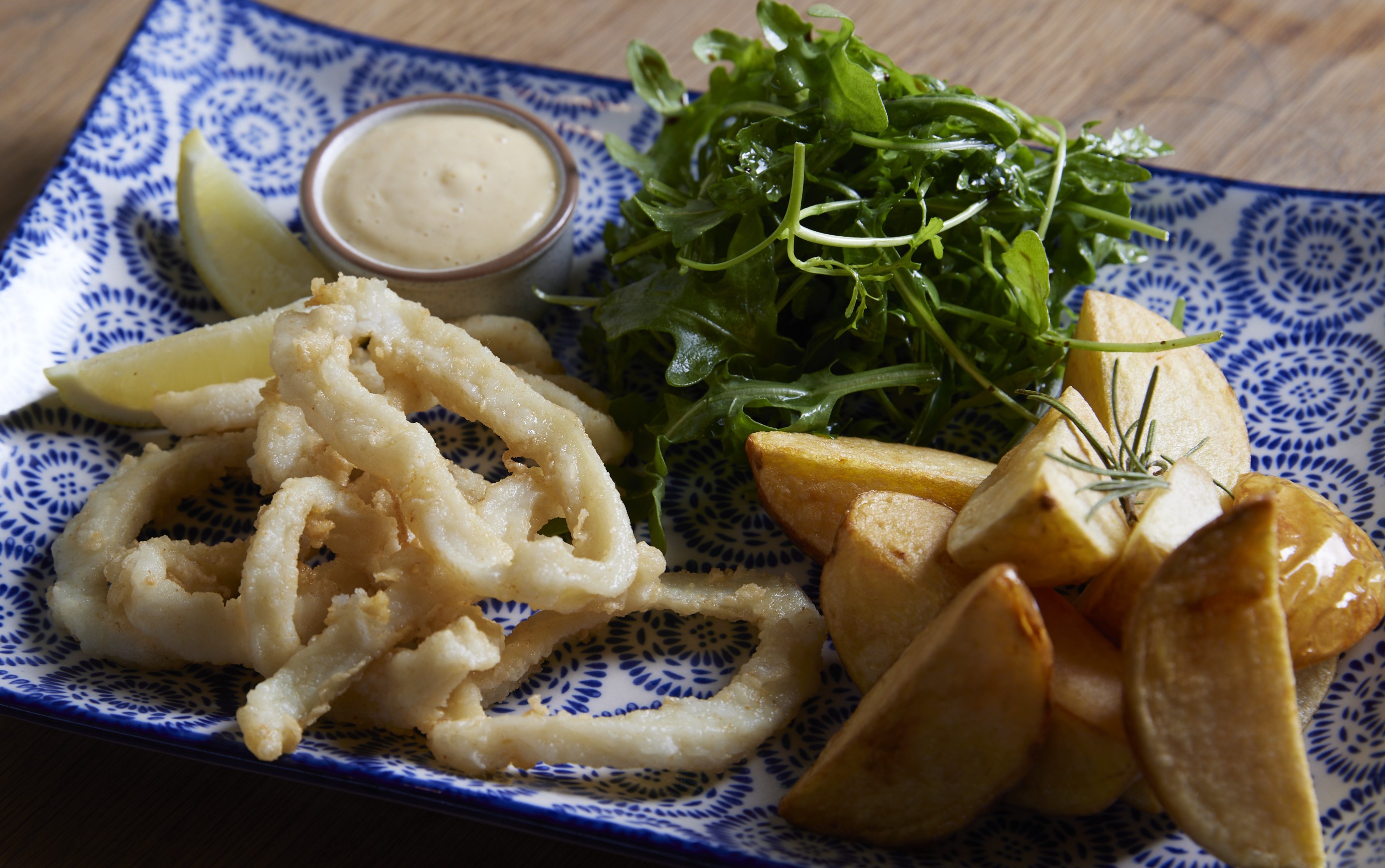














"We take pride in an authentic approach to making woodfired pizza, and are responsible for some of this city's best house-made pasta and gnocchi dishes. We are also the very proud creator of a Melbourne first and our now most talked about dish, the Pasta in a Pizza Bowl"
Andrea Fioriti ~ Head Chef & Owner